

If you’ve ever searched for a used jet engine for sale, you know the process isn’t always straightforward. There’s a lot to weigh—cost, condition, compatibility, paperwork. Whether you’re a maintenance director sourcing vital components or it’s your very first time navigating engine replacement, it helps to understand the basics before making the next move.
Jet engines are complex systems, and every one of them carries a history. Knowing what to look for—and what questions to ask—can help you avoid delays, unexpected costs, and regulatory headaches down the line.
This guide breaks down what to consider when buying or selling airplane engine parts, what kind of documentation matters, and how to understand engine value in the broader aviation market.

How to Source a Used Jet Engine for Sale
When you’re looking to buy a used jet engine, you need more than a price tag. You need reliable data—engine hours, service history, compatible models, and full documentation. These determine whether what you’re buying is airworthy, repairable, or destined for teardown.
Understanding your engine’s history and configuration helps avoid compatibility problems. This especially matters for aircraft like the Cessna Citation, Piper Cheyenne, or narrow-body Boeing models.
Here’s how to protect your investment when evaluating parts:
- Ask for the total time and time since overhaul (TSO). These reveal how much life is left before the next major inspection.
- Review logbooks and ensure there’s no gap in records. Missing years can make the part untraceable and unfit for certification.
- Check if the engine complies with current airworthiness directives (ADs) and key service bulletins (SBs).
- Confirm compatibility with your aircraft. Similar engines often come in multiple variants; small part differences can cause installation failures.
If you’re buying Lycoming engines, match serial numbers to your airframe. Slight deviations in configurations can affect everything from mounting to cooling.
Related Article: How to Find Aircraft Part Numbers
Selling Used Engine Parts: How to Prepare
On the flip side, selling a used jet engine, or even individual engine parts, can be a smart move for maintenance shops or operators managing aging inventory. Plenty of buyers are looking for salvageable cores, mid-life turbines, and hard-to-find components.
That said, an engine removed and stored without documentation is usually worth a lot less than one that’s been logged and labeled. If you’re planning to sell, you’ll want to have a few things in place first.
These steps can make your engine or parts easier to move:
- Label the parts clearly. Include model numbers, serial numbers, and removal dates.
- Gather the paperwork. Ideally, you’ll have logs, tear-down reports, or tags to show the part’s history.
- Take honest photos. Clear, unedited pictures help show the condition—and can speed up decision-making for buyers.
- Be upfront. If there’s visible damage, note it. If something’s missing, mention it early.
- Consider international needs. If the part is heading overseas, documentation and packaging need to meet export standards—especially if you’re supplying components for a Boeing or similar platform.
A well-prepared part sells faster, and usually for a better price.
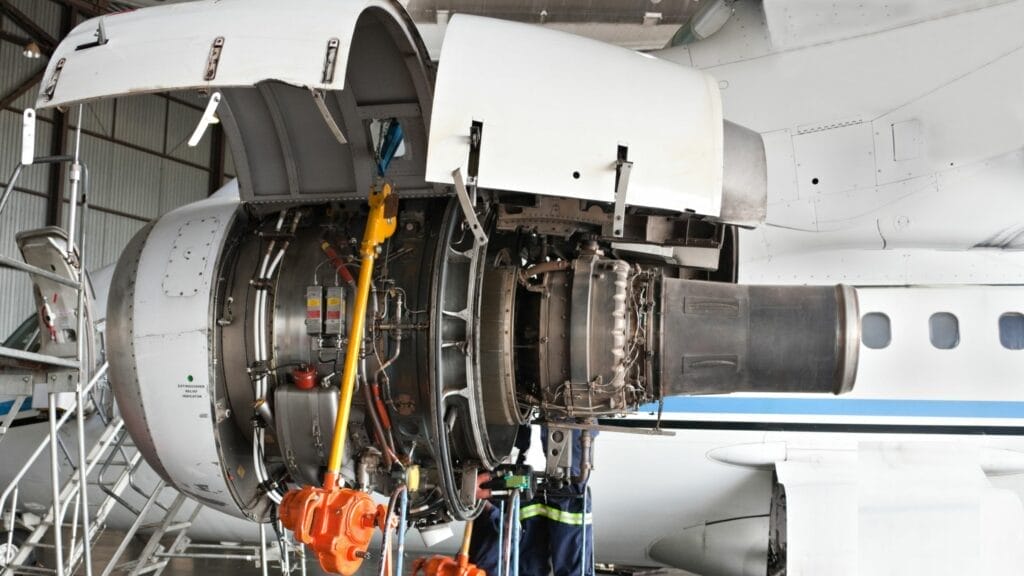
What You’re Actually Buying (or Selling)
Most of what’s exchanged in this industry isn’t a full, bolt-on engine—it’s parts. Operators might be after a starter motor, a gearbox, or a combustion liner. And with longer lead times from manufacturers, the secondhand parts market fills an important gap.
It’s not unusual for one retired engine to support multiple installations through part-outs. That’s especially true for older turbine engines or high-time piston units like Lycoming models still flying in commercial training or utility roles.
The same goes for engine accessories—whether it’s an oil scavenge pump, fuel control unit, or the oxygen delivery system, each piece has value when the paperwork travels with it.
And for legacy fleets, availability is key. For example, Piper or Cessna aircraft in remote areas might need parts that are no longer in production. Salvaged components are often the best (and sometimes only) solution.
Why Documentation Matters
It’s easy to focus on physical condition, but aviation lives and dies on documents. A rebuilt engine isn’t worth much without traceability. That’s true whether you’re dealing with a full jet engine or smaller aviation components.
Buyers should look for:
- 8130 tags (or EASA equivalent) if the part was recently inspected or certified
- A complete service history with clear overhaul or modification notes
- Logs that connect the part to its last aircraft, especially for turbine platforms
- Notes on AD or SB compliance, particularly for aircraft engines that have changed hands
If you’re selling, keeping the records stored with each part, and not in a separate office or folder, can save significant time when it comes time to move inventory.
Where DK Turbines Fits In
You’ll find plenty of companies offering a used jet engine for sale—but not all of them offer technical follow-through or reliable sourcing. That’s where DK Turbines comes in.
DK Turbines works with both commercial and general aviation teams to buy and sell inspected, traceable engine parts and full modular engines. Our expertise covers piston and turbine platforms, from Lycoming and Continental to high-bypass jets used in Boeing aircraft.
We can help you:
- Source rare or time-sensitive components
- Confirm AD and SB status on critical gear
- Navigate international shipping and documentation guidelines
- Sell surplus units with proper inspection support
Whether you’re trying to recover value from a worn engine or looking for parts to keep a high-time Cessna in the air, they understand how to match components with purpose.
Want to search for a used jet engine for sale? Use our Parts Search tool!
Wrapping It Up, Without the Jet Lag
The engine parts market isn’t always easy to navigate, but it doesn’t have to be a gamble. If you focus on history, documentation, and compatibility, buying or selling a used jet engine becomes manageable.
Take your time when confirming specs. Ask for records. Be meticulous, not just because safety demands it, but because it’s the only way to protect your aircraft—and your investment.
And if you’re looking to move parts or track down specifics for a build in progress, working with someone who understands both the technical requirements and how aviation inventory actually flows can make the job a lot easier.
That’s what DK Turbines was built for.